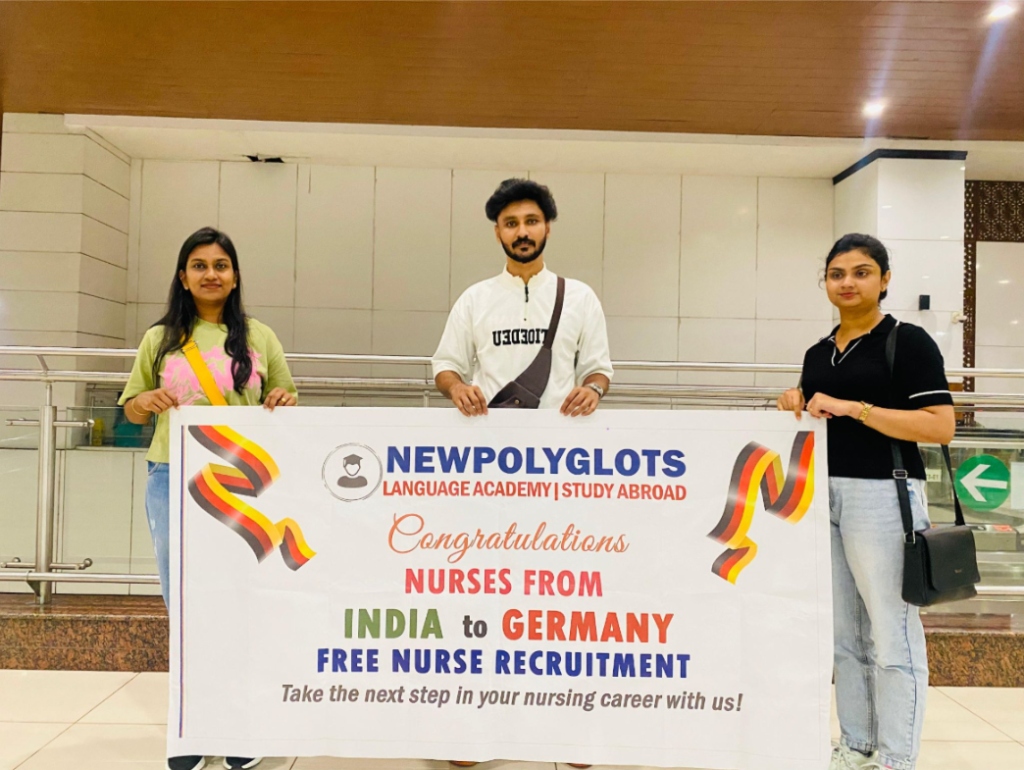
Congratulations Nurses from India to Germany!
Take the next step in your nursing career with us! We connect BSc & GNM nurses directly with top German public and university hospitals under ethical zero-fee placement.
- ✓Zero Recruitment Fees: Employer-pays model for candidates.
- ✓Hospital Offer Letter: Issued early upon German B1 completion.
- ✓Monthly B2 Stipend: ₹10,000/- monthly support while completing B2.
1. What is Free Nurse Recruitment & Why Germany Needs You?
Free nurse recruitment refers to ethical recruitment programmes where nurses are recruited without paying recruitment or placement fees. The German government promotes fair recruitment standards (Gütesiegel "Faire Anwerbung Pflege Deutschland") to protect international healthcare workers. Source: Federal Ministry of Health (BMG).
Germany faces a growing shortage of nursing professionals across public hospitals, ICUs, rehabilitation clinics, and elderly care. Source: Make it in Germany.
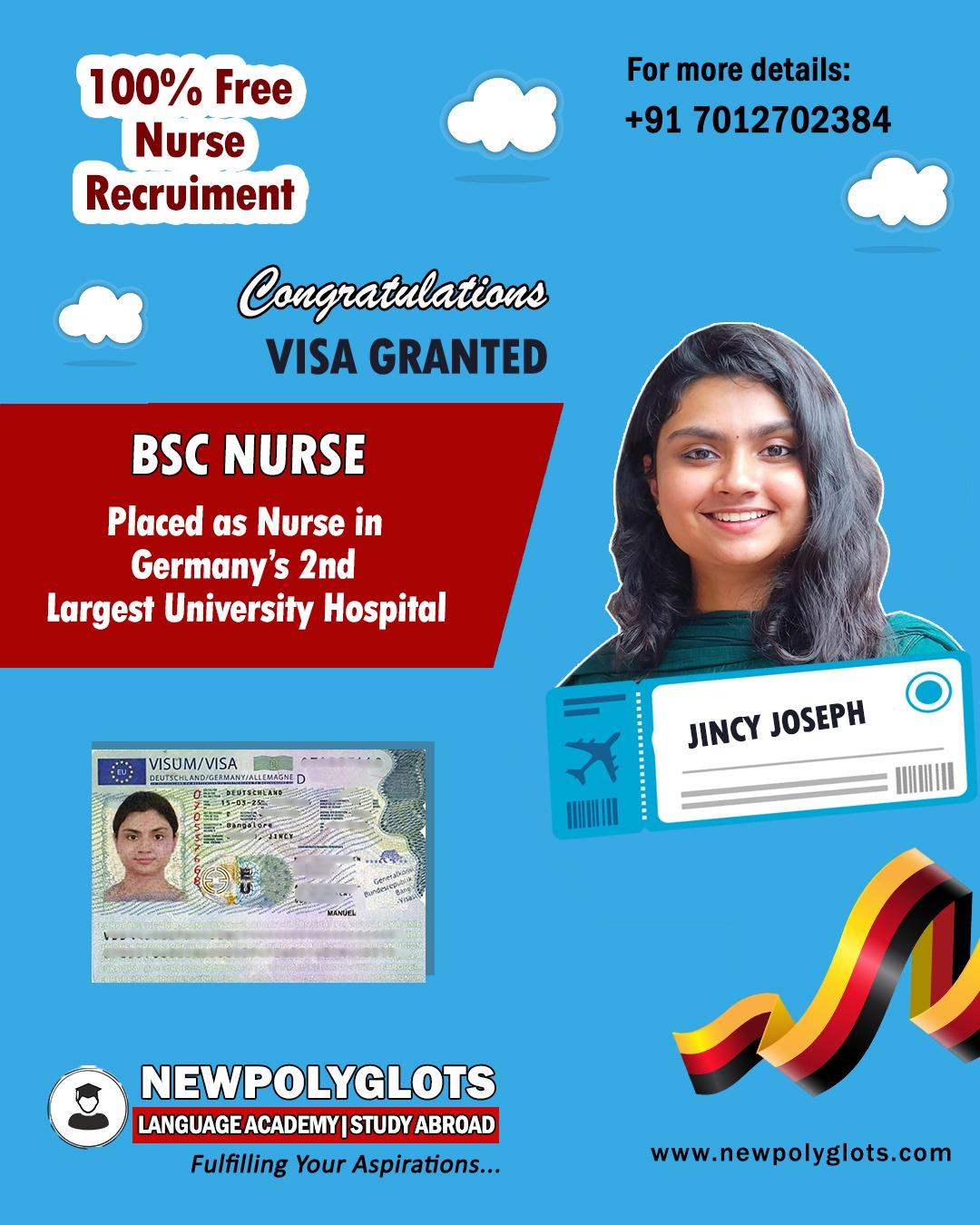
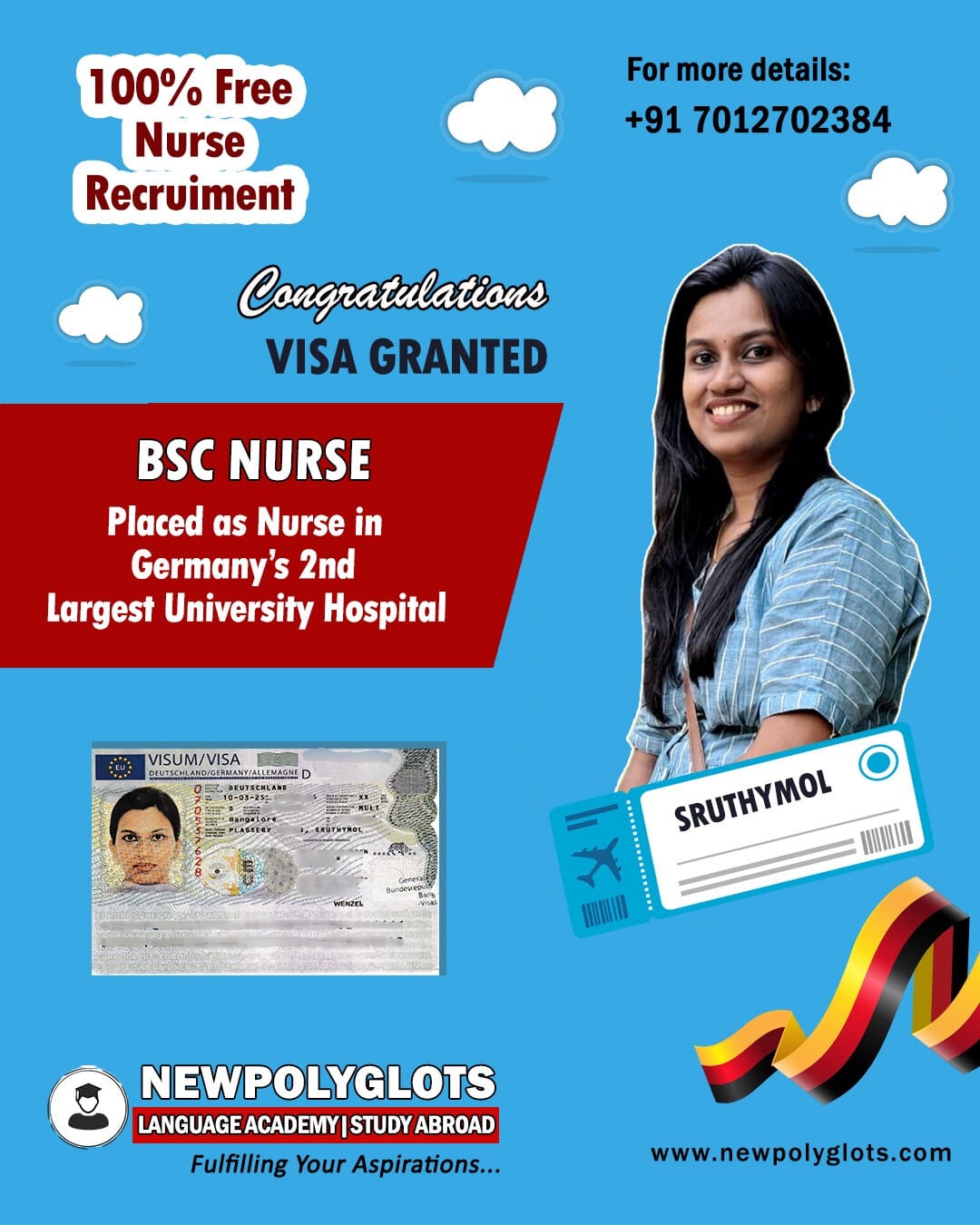
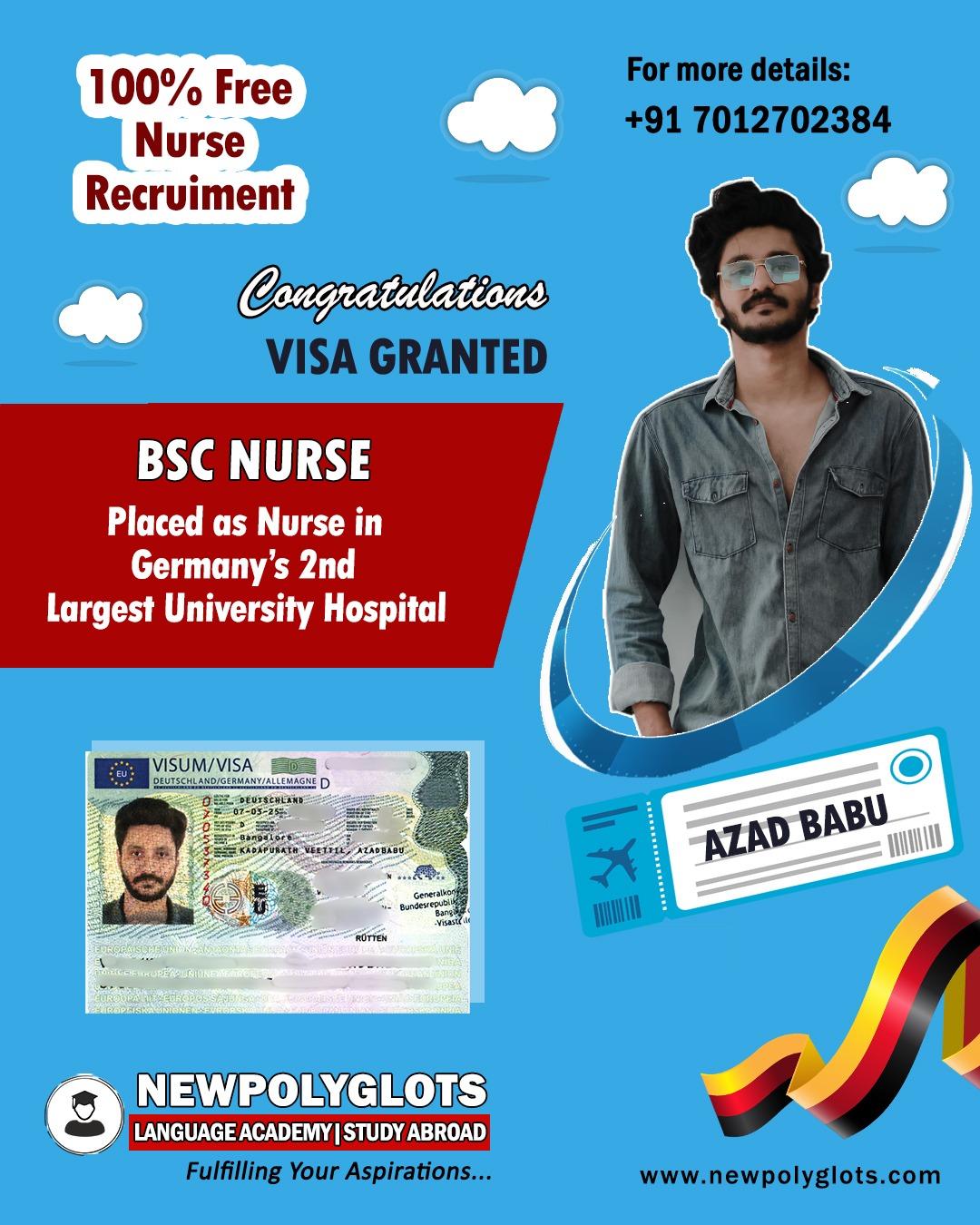
BSc Nurses Placed in Germany's 2nd Largest University Hospital!
Congratulations to our BSc Nurse candidates — **Jincy Joseph**, **Sruthymol**, and **Azad Babu** — on receiving their German visas and securing prestigious placements at Germany's leading university hospitals!
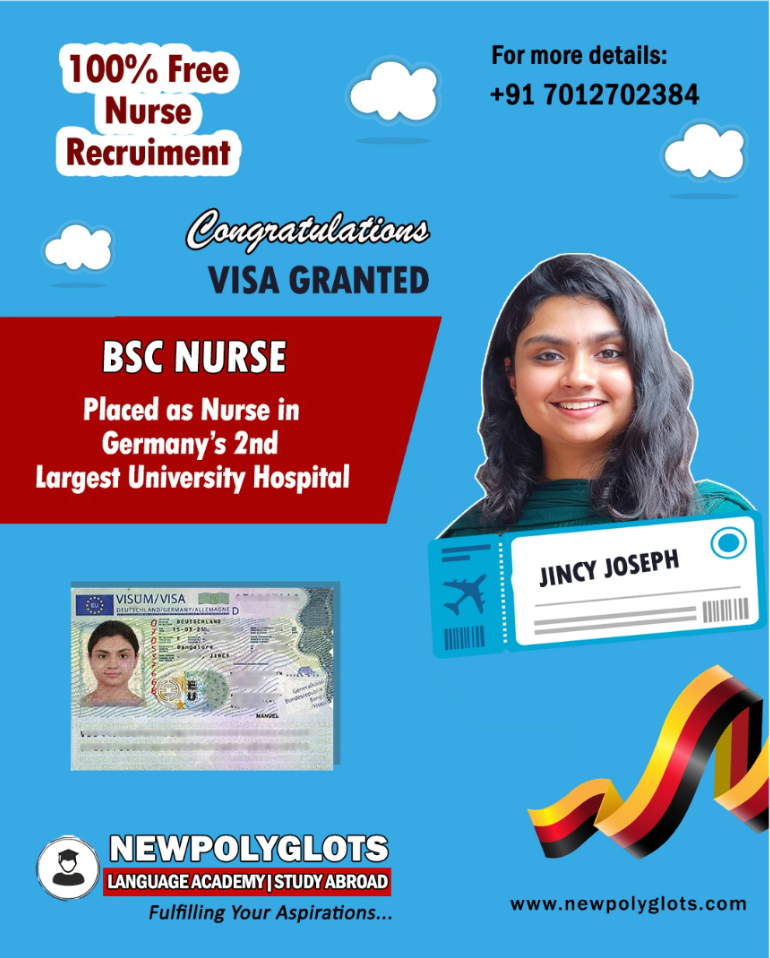
Jincy Joseph
BSc Nurse • Germany's 2nd Largest University Hospital
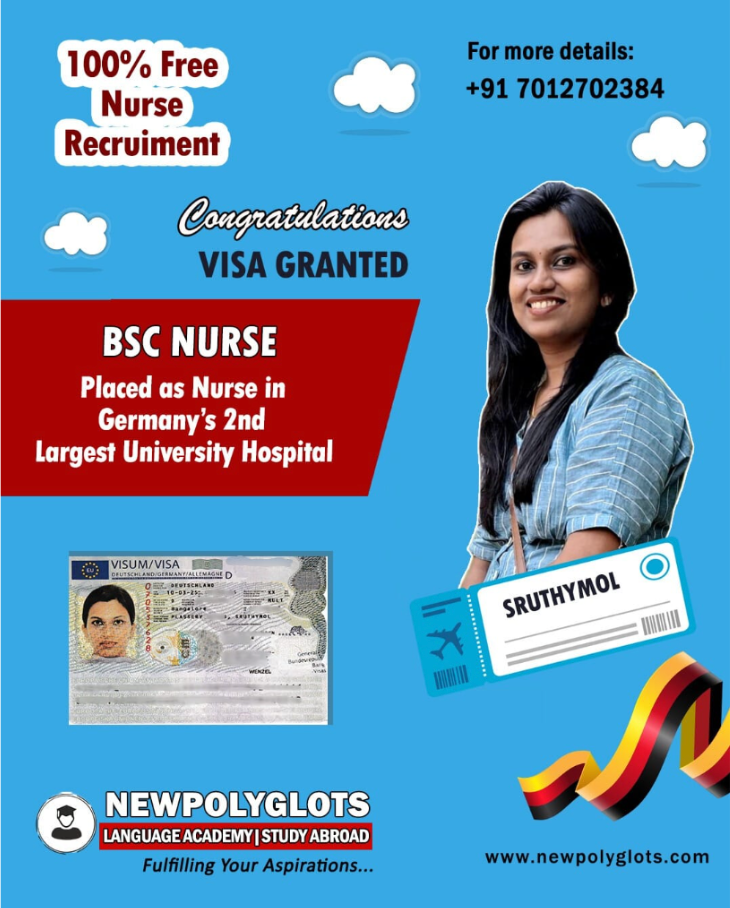
Sruthymol
BSc Nurse • Germany's 2nd Largest University Hospital
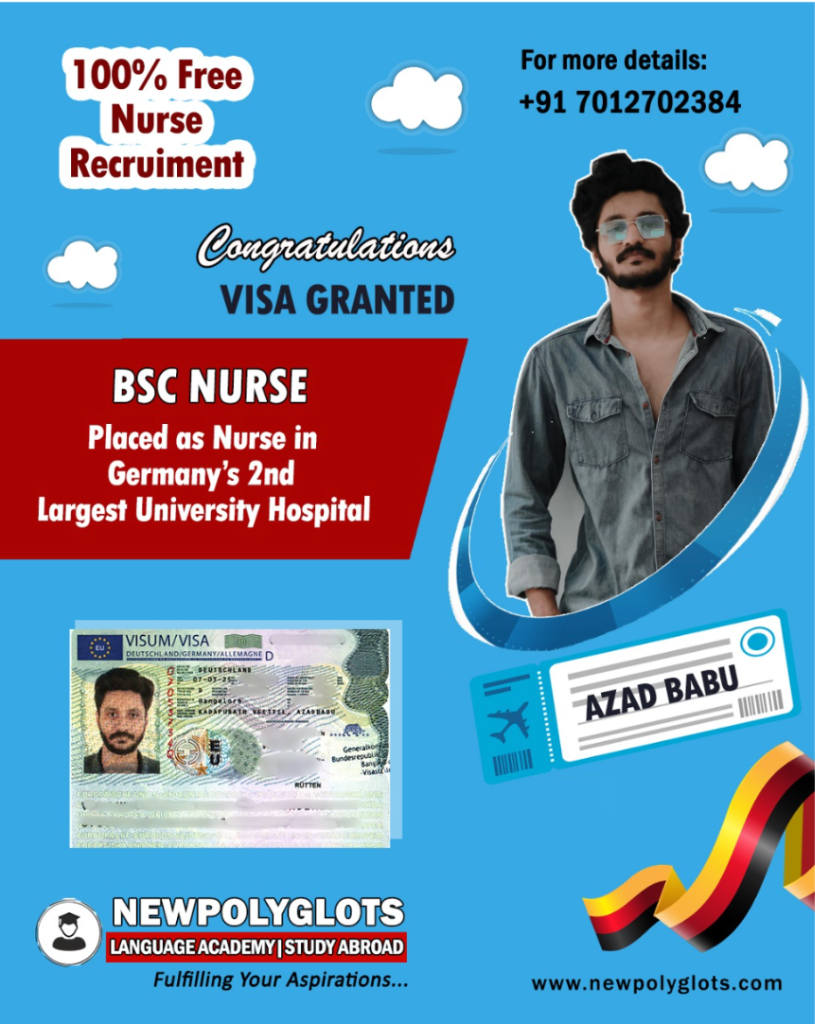
Azad Babu
BSc Nurse • Germany's 2nd Largest University Hospital
4. Eligibility & Qualification Recognition (Anerkennung)
International candidates holding BSc Nursing or GNM Diplomas must evaluate their qualifications through the official German recognition process (*Anerkennung*).
Federal Employment Agency Rules
Official guidelines from the Federal Employment Agency (*Bundesagentur für Arbeit*) ensure fair wages, full pension contributions, and protected working hours for foreign nurses. Source: Bundesagentur für Arbeit.
Anerkennungsportal Recognition Finder
Determine full or partial recognition outcomes before departure. Source: Anerkennungsportal.
5. Step-by-Step Recruitment Timeline
Why Choose Newpolyglots?

Germany Healthcare Careers Content Cluster
Explore our complete guide series for healthcare migration to Germany:
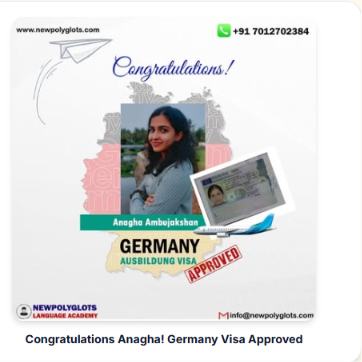
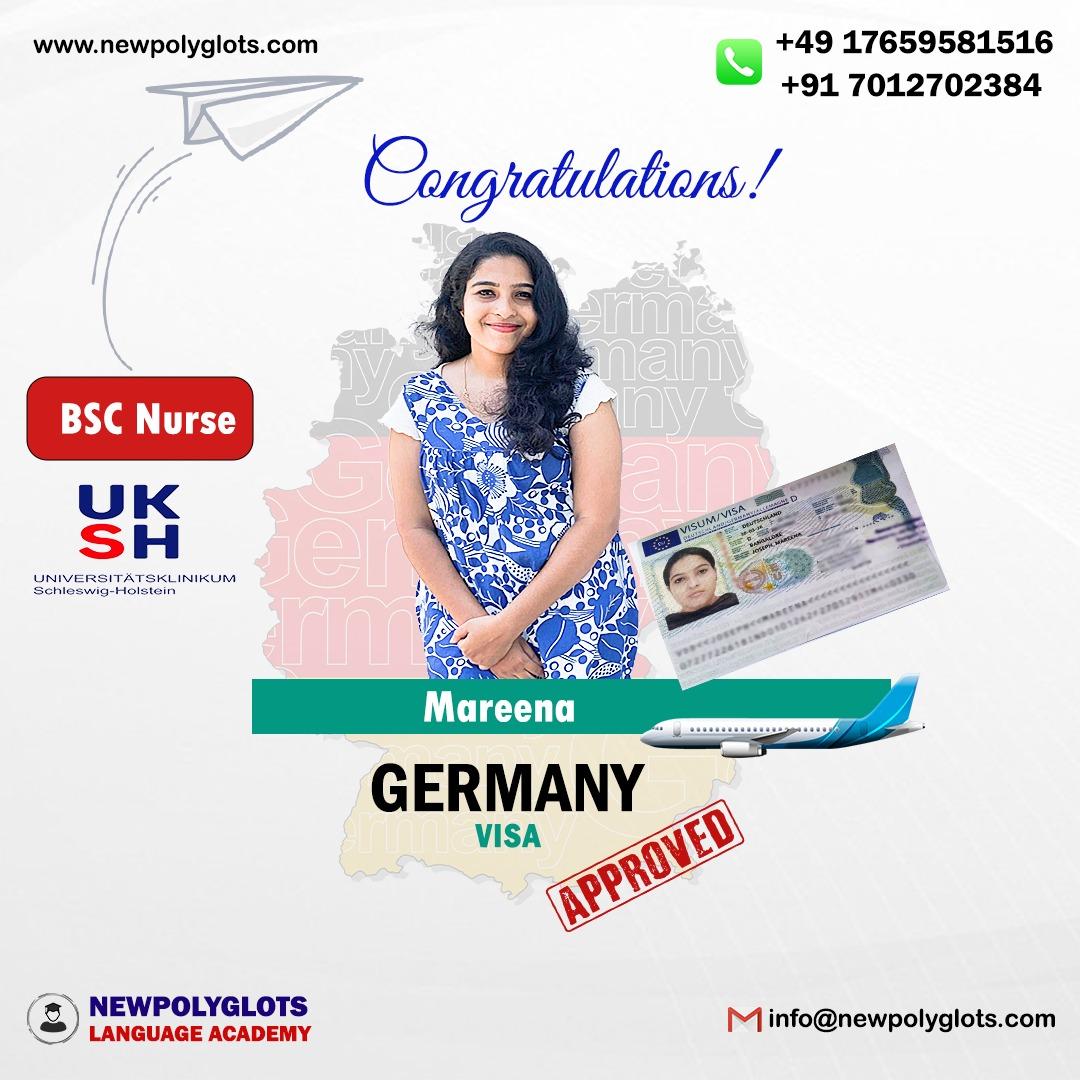
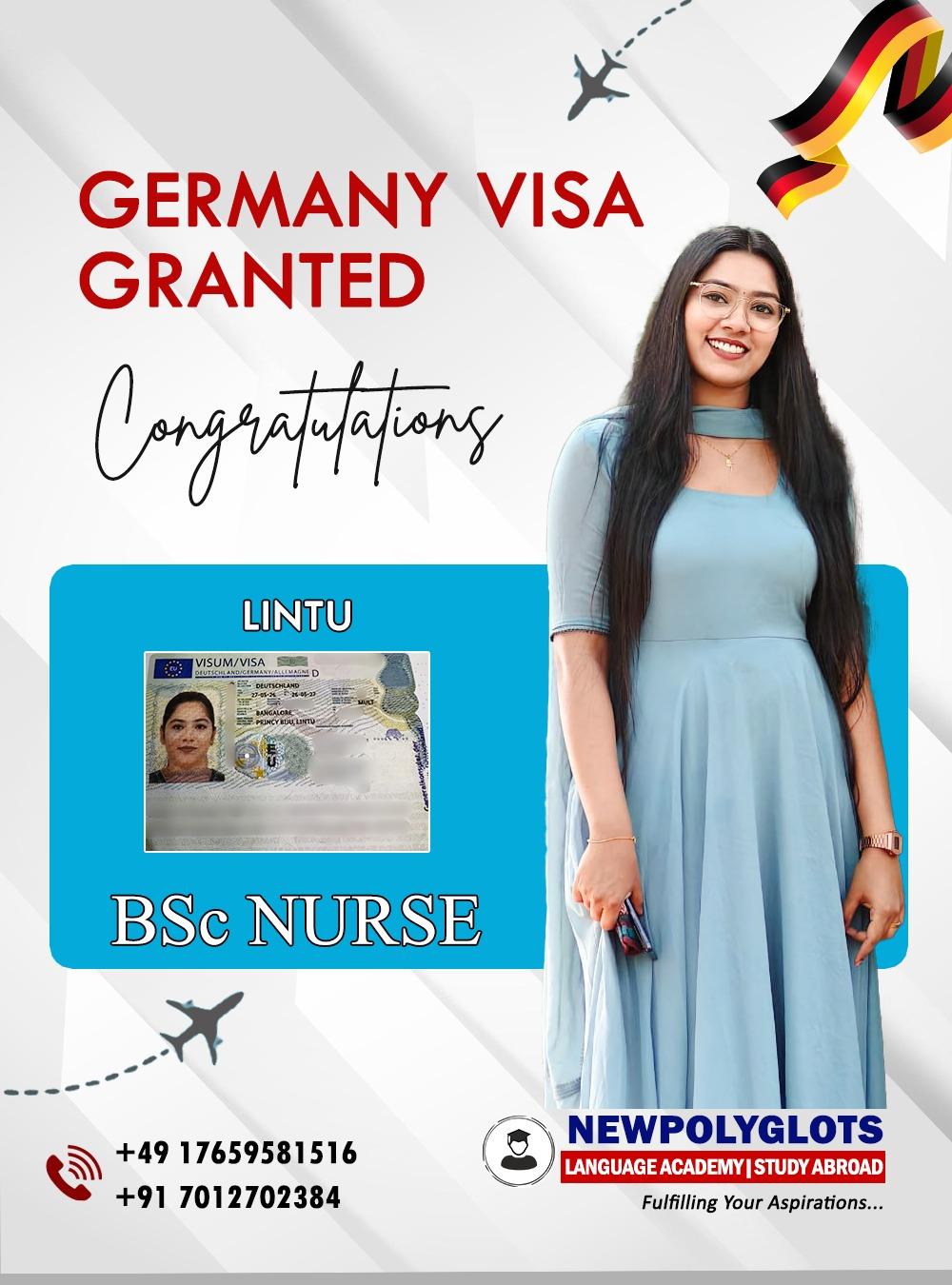
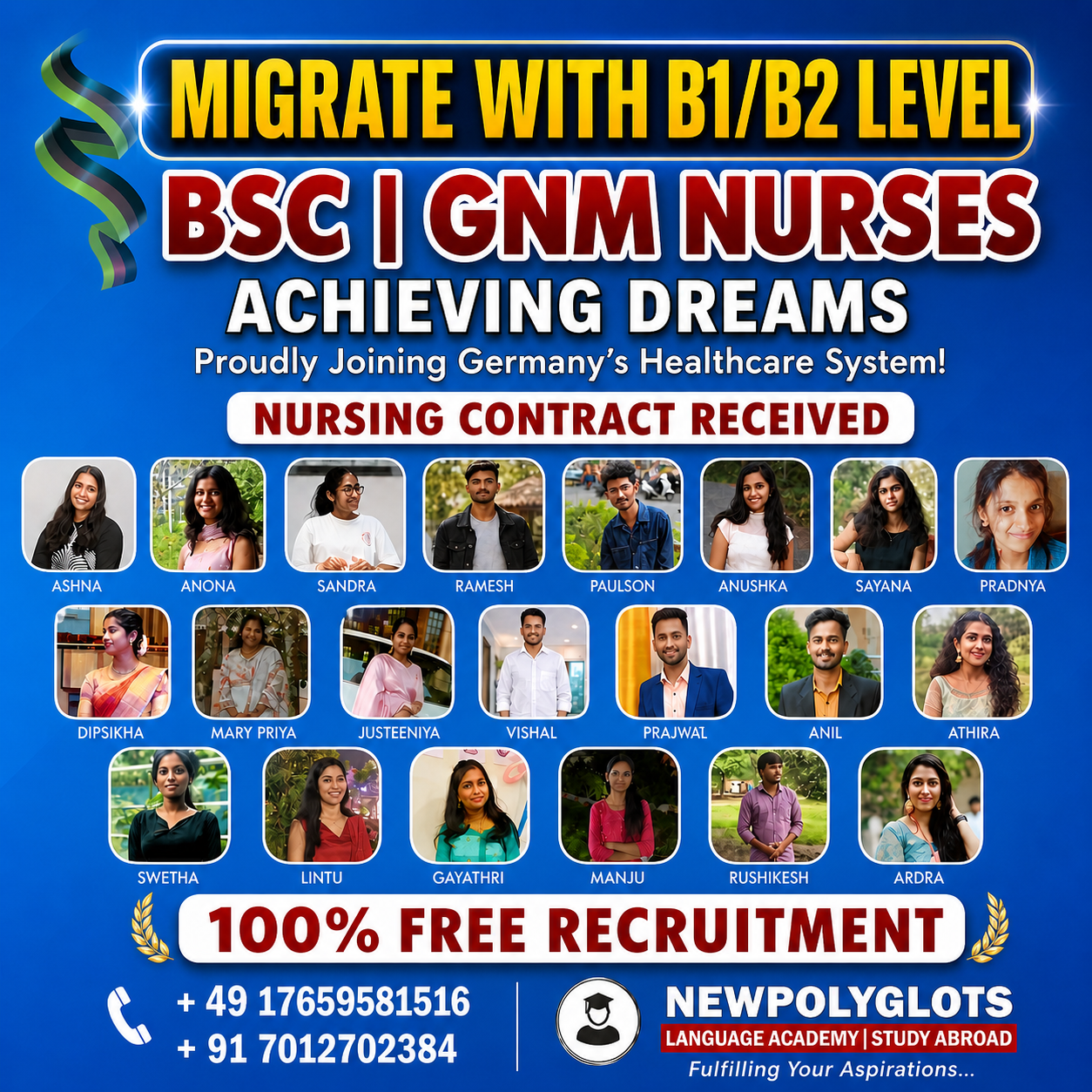
Germany Nurse Visas & Work Permits Granted
Real visa approvals and employment permits secured for Indian BSc & GNM nurses through Newpolyglots 100% free recruitment pathway.
Frequently Asked Questions
Is nurse recruitment really free in Germany?
Many employers and recognised recruitment programmes follow the employer-pays principle (Gütesiegel "Faire Anwerbung Pflege Deutschland"). Nurses are not charged recruitment fees. Source: German Ministry of Health (BMG).
Can Indian nurses apply?
Yes. Qualified Indian nurses holding BSc Nursing or GNM diplomas can apply after reaching B1/B2 German language levels. Source: Make it in Germany.
Is German language mandatory?
Yes. Nursing is a regulated profession, and B2-level German is required for professional registration and patient care.
What is Anerkennung?
Anerkennung is Germany's official qualification recognition process evaluating your nursing education against German healthcare standards. Source: Federal Employment Agency.
How can Newpolyglots help?
Newpolyglots prepares aspiring nurses through structured German language training from A1 to B2, helping learners build the communication skills needed for recognition, interviews, and successful integration into Germany's healthcare system.
Start Your Nursing Career in Germany
Strong German language skills are one of the most important steps towards working as a nurse in Germany. Join Newpolyglots and prepare with experienced trainers.